

How Cybercheck Works
From your case details to investigative direction.
Cybercheck helps investigators turn limited details into actionable intelligence, so your team can move faster, reduce dead ends, and make better decisions before committing hours to manual research, surveillance, or fieldwork.
CyberDNA
Every investigation now has a digital layer.
People move through the world physically.
They also move through it digitally.
Phones connect. Applications communicate. Accounts interact. Devices come into range. Searches happen. Messages are sent. Locations, networks, identifiers, and connection attempts create patterns that can help investigators understand where someone may have been, who they may be connected to, and how their digital activity may relate to a case.
Cybercheck calls this CyberDNA.
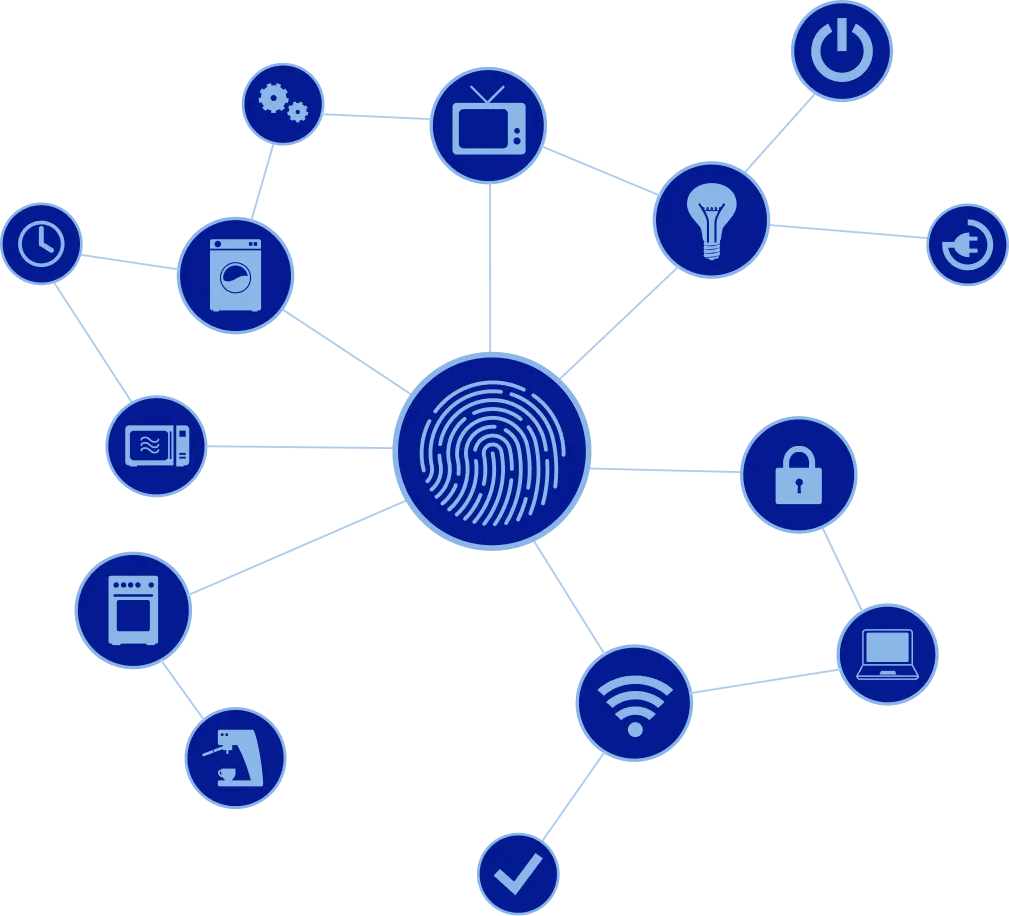
CyberDNA is the digital signature created by a person’s interactions across devices, networks, applications, accounts, and online environments. When properly analyzed, it can help law enforcement uncover leads, establish patterns, corroborate timelines, identify connections, and bring greater clarity to complex investigations.
A simple process built for real investigations.
Cybercheck is designed to make an unfamiliar intelligence gathering process feel practical, concrete, and useful. Many OSINT and database tools can identify the data, but what then? How does it apply to your investigation in real terms?
You provide the case details.
Cybercheck searches across relevant digital intelligence sources.
Data is correlated, whether it is current or historical.
Your team receives a narrative report designed to help guide the next move.
No unnecessary complexity.
No pile of disconnected search results.
No need to become an OSINT expert to understand the output.
01
Input what you know.
Start with the information already available in the case.
That may include:
- A name
- Phone number
- Email address
- Physical address
- Last known location
- Online alias or username
- Photo
- Vehicle detail
- Date range
- Incident location
- Short case summary
You do not need a complete file to begin. Cybercheck is built for the realities of private investigation work, where initial details are often limited, outdated, or incomplete.
02
Cybercheck searches beyond standard records.
Cybercheck searches across relevant surface, deep, and dark web sources to identify intelligence tied to the subject, location, incident, or known identifiers.
The goal is not to return every possible result.
The goal is to identify intelligence that may matter to the case, including:
- Location indicators
- Identity markers
- Possible aliases
- Digital activity
- Related accounts
- Associations
- Patterns of life
- Case-relevant connections
This helps investigators see where the case may have a stronger path forward.
03
Intelligence is correlated into a clearer picture.
A single detail rarely tells the full story.
A phone number may be linked to an email address.
An email address may be linked to an online account.
An account may connect to a location.
A location may be connected to a person, a timeline, or a pattern.
Cybercheck helps connect the dots so investigators can better understand what appears relevant, what may warrant follow-up, and where to focus their time.
The value is not just finding information.
The value is making the information usable.
04
You receive a narrative intelligence report.
Cybercheck returns findings in a structured narrative report designed for investigators.
The report helps your team understand what was found, how key details may connect, and which areas may be worth pursuing next.
A Cybercheck report will include:
- An enriched subject cyber profile
- Known or possible identifiers
- Possible aliases
- Associated accounts and digital links
- Patterns of life online and in the real world
- Relevant relationships
- Location indicators
- Confidence indicators
- Suggested areas for follow-up
The output is not a data dump.
It is a case intelligence report built to help investigators decide what to do next.
Not another records database.
Records databases can be useful. Most investigators already use them.
But a database usually returns information the investigator still has to interpret, connect, verify, and organize.
Cybercheck is different.
Cybercheck collects, correlates, and organizes intelligence around the case, so your team can move from scattered information to a clearer investigative direction.
That matters when the next step could involve surveillance, fieldwork, client updates, or deciding whether a case has gone cold.
Where Cybercheck fits in your workflow.
Cybercheck is most valuable early in the case, before your team commits significant time, budget, or field resources.
Use Cybercheck before:
- Launching surveillance
- Sending investigators into the field
- Spending hours on manual online research
- Pursuing a weak or unverified lead
- Expanding the scope of a case to follow a theory
- Deciding where to focus next
Cybercheck does not replace professional investigation.
It gives investigators a stronger starting point.

FAQs
Cybercheck allows private investigators to submit available case details, such as a name, phone number, email address, location, alias, photo, timeline, and a simple case summary. Cybercheck is fully automated and analyzes case-relevant digital intelligence to return a structured narrative report that helps guide the next investigative step.
You can submit the information you already have. Useful inputs may include names, phone numbers, email addresses, addresses, aliases, photos, locations, vehicle details, timelines, or short case notes.
Yes. A records database typically returns results for the investigator to interpret. Cybercheck is designed to search, correlate, and organize case-relevant intelligence into a narrative report that helps investigators understand what may matter and where to focus next.
Cybercheck is most useful early in a case, before surveillance, fieldwork, or extensive manual research begins. It can also be useful when a case has stalled, when leads are weak, or when the next move is unclear.
A Cybercheck report includes an enriched subject cyber profile comprised of identifiers, aliases, associated accounts and digital links, patterns of life online and in the real world, relevant relationships and key location indicators that help to identify next steps and follow-up.
No. Cybercheck supports professional investigators by providing actionable intelligence. Investigators still evaluate, verify, corroborate, and decide how to use the findings within their normal investigative process.
Yes. Cybercheck is available to private investigators on a per-case basis. Larger packages are also available for firms with higher case volume. There are no base subscription or membership fees to sign up and start using Cybercheck. You simply get billed monthly for your orders.
Cybercheck is built for professional investigators, including private investigation firm owners, owner/operators, lead investigators, and law enforcement teams working complex cases.